
FAQ with LPC’s Director of Business Development – Todd Teach
5 March 2026

Q. What are some common mistakes people make that lead to unnecessary spending when designing or purchasing a case and foam solution?
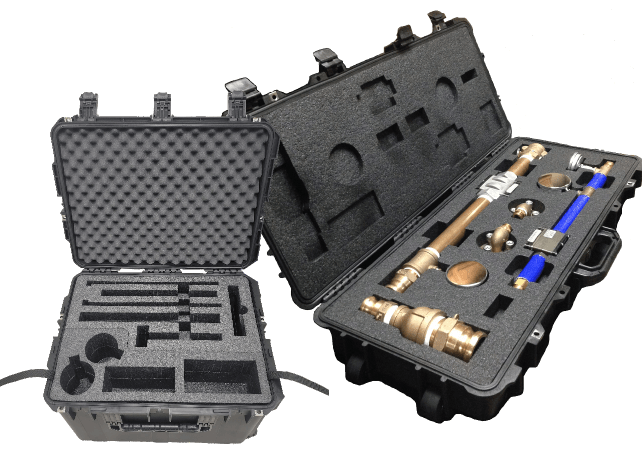
Across defense, aerospace, and medical, the highest return comes from investing in ease of use, durability, and—most critically—the engineered foam system, not just the outer case.
First, tool-less access is essential. In regulated environments, time and repeatability matter. If a case requires tools, specialized fasteners, or multiple technicians to open and repack, it introduces unnecessary labor cost, variability, and risk. A properly designed case with integrated latching allows a single technician to safely load and unload equipment in minutes—whether that’s on a flight line, in a clean manufacturing area, or at a field service location.
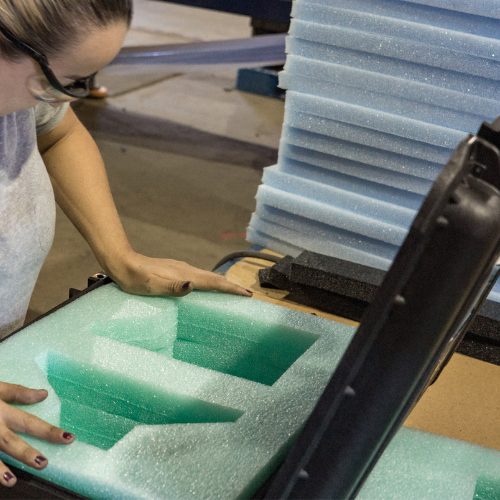
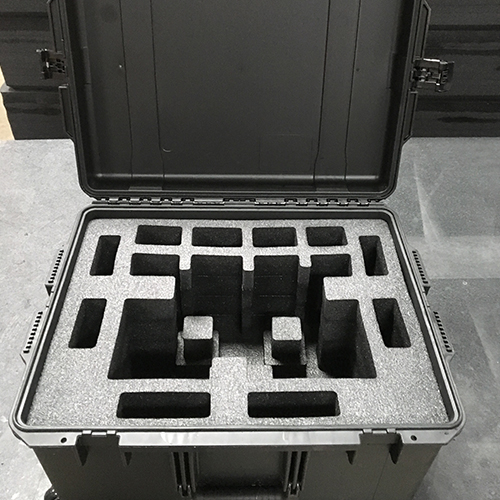
Second, engineered foam is non-negotiable in these markets. Defense and aerospace shipments are exposed to high shock, vibration, and unpredictable handling, while medical devices demand precise load control and consistent positioning. Foam designed around the product’s weight, center of gravity, fragility, and environmental exposure dramatically reduces in-transit damage, protects calibration and alignment, and extends the service life of both the equipment and the case. Generic or off-the-shelf foam almost always creates downstream cost and compliance issues.
Third, transport-optimized case design delivers real operational value. Features such as multi-direction forklift access, standardized footprints, and stack-ability reduce handling risk and give logistics teams more flexibility—whether shipping via commercial freight, military transport, or medical distribution networks. Fewer special handling requirements mean fewer opportunities for damage.
Finally, reusability and serviceability are especially important in defense, aerospace, and medical programs where traceability, lifecycle cost, and sustainability are key considerations. Cases that are built to be refurbished—where foam inserts, panels, or hardware can be replaced—provide a far lower total cost of ownership than disposable solutions. More importantly, they protect high-value, mission-critical, or patient-critical equipment from avoidable damage.
In these industries, spending a little more upfront on smart case design and properly engineered foam isn’t a luxury—it’s a risk-reduction strategy that pays for itself over the life of the program.
Q. Can you give examples of features or materials that are often over-specified or over-engineered, leading to wasted resources?
Over-engineering is usually unintentional. It tends to happen when legacy specifications are reused or when requirements are applied “just in case,” rather than tied to actual operating conditions. A few common examples we see include:
- Packaging & Transit Protection
High-density foam, military-grade cases, or full MIL-STD-810 test profiles specified for commercial or limited-use logistics environments. - Materials & Fabrication
Machined aluminum, stainless steel, or exotic materials selected where sheet metal or engineered polymers would meet performance and durability needs. - Structural & Environmental Design
Excessive safety factors or high IP ratings applied to non-critical loads or controlled indoor environments. - Finishes & Documentation
Premium cosmetic finishes on non-visible surfaces, or defense-grade documentation applied to programs that don’t contractually require it.
In many cases, these choices increase cost, weight, and lead time without improving reliability or mission outcomes. A simple check often helps: Does this requirement mitigate a documented failure mode or contractual obligation? If not, there may be an opportunity to right-size the solution without increasing risk.
Q. When you meet with someone to design a case, or some other technical packaging, do you usually advise them on the best materials for what they need to have shipped?
Yes—material selection is a central part of every design conversation we have.
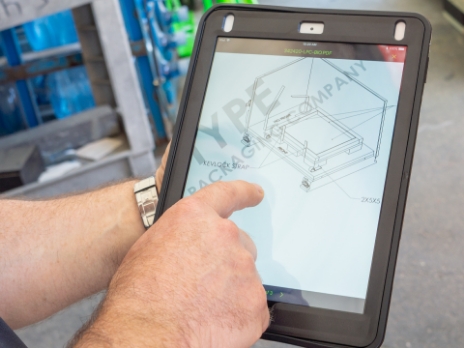
When we’re asked to design a case, or protective package, we don’t start with a material preference. We start by understanding what’s being shipped, how it’s handled, and what risks exist—weight, fragility, shock and vibration exposure, reuse cycles, environment, and regulatory requirements.
From there, we recommend materials that are appropriate to the real-world conditions, not just the most robust option available. That might mean engineered foam instead of high-density foam, reusable corrugate instead of a hard case, or sheet metal and composites instead of heavier machined components.
Our goal is always the same:
- Protect the product through its entire logistics cycle
- Meet contractual and compliance requirements
- Avoid unnecessary cost, weight, or lead time
In many cases, that advisory step helps customers right-size the solution—maintaining performance and reliability while improving efficiency.
Q. What strategies would you recommend to businesses to maximize value when ordering a case and foam solution without compromising quality or functionality or safety?
The most effective way to maximize and optimize a case-and-foam solution—without compromising quality, functionality, or safety—is to engineer the protection to the real-world conditions, rather than defaulting to the most conservative materials or layouts. A few proven strategies include:
1. Define the actual shipping and handling environment
Many case-and-foam systems are designed for worst-case shock and vibration that never occur. Clarifying whether a case is shipped via commercial carrier, hand-carried, or palletized often allows lighter-weight cases or lower-density foam—without increasing risk.
2. Match foam density and geometry to the product, not habit
Higher-density foam is not always better protection. Selecting foam based on product weight, fragility, and drop height—and optimizing cavity geometry—often reduces material cost and weight while improving energy absorption.
3. Avoid unnecessary multi-layer or laminated foam stacks
Complex foam stacks add labor and cost and can actually reduce performance if not required. In many cases, a single engineered foam layer provides equivalent or better protection.
4. Choose the case based on lifecycle, not perception
Heavy-duty or military-grade cases are valuable when reuse, environmental exposure, or handling risk justify them. For limited-use or controlled logistics, lighter-weight cases or hybrid solutions often meet the requirements. When choosing your case it’s important to evaluate based on cost-per-trip – rather than the upfront cost of the case and foam solution. Often a case and foam solution that may cost a little more upfront works out much cheaper in the long term.
5. Design intentionally for reuse—or intentionally for one-way shipment
Reusable case-and-foam systems reduce lifecycle cost only when reuse is planned. If reuse is unlikely, simplifying foam design and case features avoids unnecessary expense.
6. Engage early and challenge legacy specifications
Early collaboration allows material and design alternatives to be evaluated before specifications are locked. Asking whether each foam or case requirement mitigates a documented failure mode often identifies cost drivers that can be safely reduced.
The common thread is intentional design: costs come down when cases and foam are engineered around real handling conditions and performance requirements—not by sacrificing protection, but by eliminating unnecessary complexity.
Q. Is there a certain design flaw or type of cases that breaks more often? Like, is there like an Achilles heel for cases or anything like that?
Yes—there are a few recurring design weak points we see in cases and engineered foam systems. Most failures don’t come from a single bad material, but from misalignment between how the package was designed and how it’s actually used.
One common issue is designing the case to survive static loads, but not handling abuse. Corners, edges, and base interfaces tend to fail first during drops, tip-overs, or repeated handling. If these areas aren’t reinforced appropriately, even high-quality cases can crack or deform over time.
Another frequent problem is overly rigid systems with insufficient energy absorption. Very stiff cases paired with hard foam or solid internal blocking can transfer shock directly into the product. In these situations, the case looks fine—but the contents are damaged after drops or vibration.
We also see failures caused by mismatched foam design. Foam that’s too dense, too thin, or not properly supported can bottom out, fracture, or permanently compress. When that happens, products begin to shift, and damage accumulates even though the exterior remains intact.
Hardware and interfaces are another common weak spot. Handles, latches, hinges, and wheels often fail before the case body—especially when they’re under-specified for weight, reuse cycles, or handling methods. Once hardware fails, the entire system becomes difficult or unsafe to handle.
Finally, many issues arise when cases are used beyond their intended lifecycle—for example, limited-use designs reused repeatedly, or cases designed for hand-carry being dragged, dropped, or stacked.
The key takeaway is that the “Achilles heel” is rarely the case or foam itself—it’s the assumptions made during design. The most reliable case-and-foam systems are engineered around real handling conditions, realistic reuse expectations, and properly matched materials.
Q. Are there any little-known tips or tricks you would suggest to make packaging sturdier, better, or more efficient? Is there a certain design aspect or detail would always want add?
Yes—there are a few small design details that consistently make cases and engineered foam systems more durable, more reliable, and more efficient, and they’re often overlooked.
One of the most effective is intentional energy management, not just strength. Adding controlled crush zones in foam, allowing a small amount of deflection at corners, or avoiding overly rigid internal blocking helps absorb shock instead of transmitting it directly to the product.
Another is designing foam geometry to control movement, not just fill space. Features like subtle interference fits, proper edge support, and relief pockets for connectors prevent micro-movement during vibration, which is a common cause of long-term damage.
We also recommend reinforcing stress points rather than thickening everything. Corners, base interfaces, and hardware attachment points are where failures start. Localized reinforcement in these areas often improves durability more than heavier materials overall.
A less obvious but valuable detail is designing for how people actually handle the case—where hands go, how it’s set down, and how it’s opened. Aligning handles, latch placement, and internal orientation with natural handling reduces drops and misuse.
If there’s one detail we almost always want to add, it’s alignment and repeatability features—keys, stops, or indexing in the foam that ensure the product is always seated the same way. That consistency dramatically improves protection over the life of the package.
The takeaway is that small, intentional design choices often deliver bigger gains than simply making packaging heavier or more rugged.
Q. In your experience, what aspects of a case are worth spending extra money on to ensure best performance or longevity?
In our experience, the best return on investment in cases and engineered foam comes from spending a little more on the elements that see repeated stress, handling, and wear—not from making everything heavier or more complex.
The areas most worth the extra investment are:
1. Case corners, edges, and structural interfaces
Corners and edge interfaces are where cases see the highest impact during drops and handling. Reinforcing these areas or selecting cases with proven corner geometry pays off far more than thicker panels overall.
2. Hardware and attachment points
Handles, latches, hinges, and wheels are often the first components to fail. Upgrading hardware to match real weight, handling methods, and reuse cycles dramatically extends case life and improves safety.
3. Foam design and material selection
Well-engineered foam—matched to the product’s weight, fragility, and drop height—outperforms thicker or denser foam chosen by habit. Spending more on proper foam geometry and support often reduces damage and extends reuse life.
4. Internal load control and restraint
Foam features that control movement—such as edge support, interference fits, and consistent seating—protect both the product and the case. This is usually more impactful than adding additional foam layers.
5. Design for real handling and reuse
Cases last longer when they’re designed around how they’re actually used: how often they’re opened, how they’re carried or rolled, and how many reuse cycles are expected. Investing in this upfront design work often saves more than upgrading materials alone.
Where extra money usually doesn’t pay off is blanket overbuilding—heavier cases, overly dense foam, or complex foam stacks without a clear performance driver.
The takeaway is that durability and performance come from targeted reinforcement and thoughtful foam engineering, not from making everything more rugged by default. Spending in the right places up front almost always reduces repairs, replacements, and total lifecycle cost.
Q. Can you explain how investing in certain case and foam features can lead to long-term cost savings and benefits?
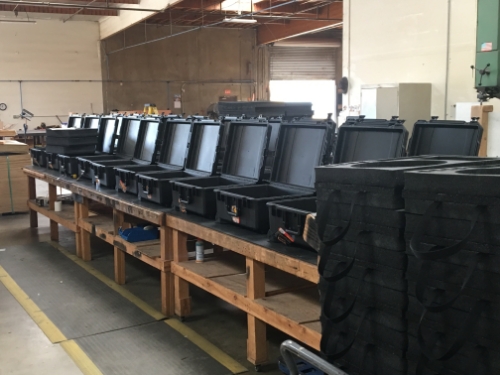
Investing in the right features of a case-and-foam system often reduces total cost over its lifecycle—even if the upfront price is slightly higher. The value comes from fewer failures, longer service life, and lower risk to the product.
For example, upgrading case corners, edges, and structural interfaces pays off quickly. These areas see the highest impact during drops and handling. Better corner geometry or reinforcement reduces cracking and deformation, extending the usable life of the case.
Quality hardware—handles, latches, hinges, and wheels—is another high-return investment. Hardware is often the first point of failure. When it’s properly rated for weight and reuse cycles, cases remain safe and usable far longer, reducing repair and replacement costs.
Spending more on engineered foam design, rather than simply thicker or denser foam, also delivers long-term savings. Foam matched to the product’s weight, fragility, and drop height reduces bottoming out and permanent compression, protecting both the product and the case across repeated shipments.
Internal load control and repeatability matter as well. Foam features that ensure consistent seating and prevent micro-movement reduce cumulative damage from vibration and handling—one of the most common causes of in-field issues.
Finally, designing intentionally for actual use and reuse—how often the case is opened, how it’s carried or rolled, and how many cycles it will see—prevents unnecessary overbuilding while still delivering durability.
The result is fewer damaged products, fewer case failures, less downtime, and more predictable logistics. In practice, modest upfront investment in the right case and foam features almost always results in lower total cost of ownership and better long-term performance.
Q. Are there design elements that can help improve the ease of transport for cases?
Yes—there are several design elements in case-and-foam systems that significantly improve ease of transport without sacrificing protection.
One of the most important is proper weight distribution. Designing foam geometry so the product’s center of gravity is aligned with the case’s handle or wheel axis makes the case easier to carry, roll, and lift, and reduces the likelihood of drops.
Handle placement and orientation also matter more than most people realize. Handles positioned for natural lifting—based on how users actually pick up and set down the case—reduce strain and handling errors. For heavier cases, adding forklift ability, balanced dual handles or properly integrated wheels can dramatically improve mobility.
Foam features that control movement improve transport as well. When the product is firmly seated and can’t shift, the case remains stable during carrying, rolling, or stacking, making it easier and safer to handle.
Another often-overlooked detail is external geometry. Flat stacking surfaces, reinforced corners, and consistent case footprints improve palletization and vehicle loading, reducing handling time and damage risk.
Finally, designing for real handling scenarios—hand-carry, rolling, palletized, or mixed—ensures the case is optimized for how it will actually move through the logistics chain, not just how it looks on a drawing.
The takeaway is that transport ease comes from thoughtful integration of case design, foam engineering, and human handling, not just adding wheels or handles after the fact.
Q. Are there any innovative design features or trends in cases and foam, or technical and industrial packaging design that you think will become more popular in the future?
Yes—several design trends and innovations are gaining traction in cases, engineered foam, and technical packaging. These aren’t just buzzwords; they’re practical responses to evolving logistics challenges, sustainability goals, and the demand for smarter protection.
1. Purpose-Built Modular Foam Systems
Instead of generic block foam or one-off cutouts, modular foam inserts (with interchangeable components and adjustable layers) are becoming more popular. These systems reduce per-item rework, simplify re-configuration for different product variants, and extend reuse life.
2. Tuned Energy Management Structures
Rather than simply increasing foam density, designers are using engineered energy-absorbing features—like progressive compression zones, fold lines, and ribs—that absorb impact more efficiently and consistently. This improves performance while often reducing material volume and weight.
3. Lightweight Composite and Hybrid Cases
With logistics costs tied to weight, cases using lightweight composites, honeycomb cores, and hybrid panel constructions are becoming more common—especially where durability and corrosion resistance matter. These materials deliver strength close to traditional rigid cases with significantly less mass.
4. Smart & Connected Packaging Elements
Sensors and IoT tags embedded in packaging are no longer futuristic. Real-time monitoring of shock events, tilt, humidity, and temperature is increasingly integrated into high-value case and foam systems, enabling condition-based decisions and reducing damage claims.
5. Additive Manufacturing for Precision Foam Tooling
3D printing is moving beyond prototyping into custom foam tooling and even direct production of complex protective structures. This enables tailored cavity geometries and repeatability that were previously costly or impossible with traditional methods.
6. Reuse-First Design with Lifecycle Metrics
Packaging designers are placing more emphasis on reuse and durability metrics—not just initial cost. This includes standardized footprints, easy-replace components, and design for disassembly, resulting in lower lifecycle cost and waste.
7. Sustainable and Recyclable Materials
There’s growing interest in engineered foams and case materials that are recyclable, bio-based, or easily separable at end of life—without compromising performance. Customers are increasingly asking for technical packaging that supports corporate sustainability goals.
The Common Theme: Smarter, Not Just Tougher
Across these trends, the shift is clear: protection intelligence over brute strength. Instead of adding mass or density, future packaging solutions are focused on energy management, configurability, monitoring, and lifecycle efficiency.
If you’re looking to stay ahead of industry expectations, integrating these elements thoughtfully will deliver better protection performance, lower total cost of ownership, and stronger alignment with sustainability and digital transformation goals.
Q. Finally, tell me about cases and foam reuse. What makes them reusable? Are there worries about sturdiness or other things?
Yes—cases and engineered foam can absolutely be reusable, and when they are designed correctly, concerns about sturdiness are well understood and manageable.
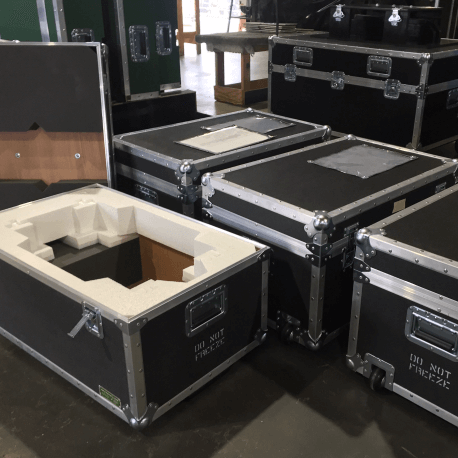
What makes them reusable is lifecycle-driven design: durable case construction with hardware rated for repeated handling, foam selected and engineered to compress and recover without permanent damage, and internal features that control movement, so the product is seated consistently every time. Reinforced corners, edges, and attachment points prevent damage from accumulating over multiple shipments, and replaceable wear components extend overall service life.
The main considerations to manage are predictable—hardware wear, gradual foam fatigue, corner and edge impacts, misuse beyond design intent, and cleanliness in sensitive environments. These aren’t failure points so much as maintenance and design inputs. With clear reuse assumptions, inspection intervals, and refresh plans, reusable case-and-foam systems are typically very robust.
In practice, a well-designed reusable case-and-foam solution delivers better protection consistency, fewer damages, and lower total cost of ownership than single-use packaging—without sacrificing safety or performance.